Can Hindi fonts be used for professional logos? Absolutely. Devanagari typography can help a brand feel more familiar, memorable, and connected to its audience. From food and fashion to technology and education, Hindi lettering offers designers another way to express a brand’s personality.
But choosing a Hindi font for a logo is not just about finding a beautiful typeface. The letters must work together, remain readable at different sizes, and complement the English typography when a brand uses both languages.
In this guide, we’ll explore the best free Hindi font pairings, premium and custom typeface options, and practical tips for creating effective Devanagari logos.
Can You Use Hindi Fonts for Logos?
Yes. A Devanagari typeface can work as the primary wordmark, a supporting element, or part of a bilingual logo.
Designers have also explored how familiar Indian brands might look when their Latin wordmarks are adapted into Devanagari. One interesting example is Jaikishan Patel’s Behance project, Indian Brands in their Devanagari Attire. It presents creative interpretations of brands such as Hero, Bajaj, Airtel, and Tata.
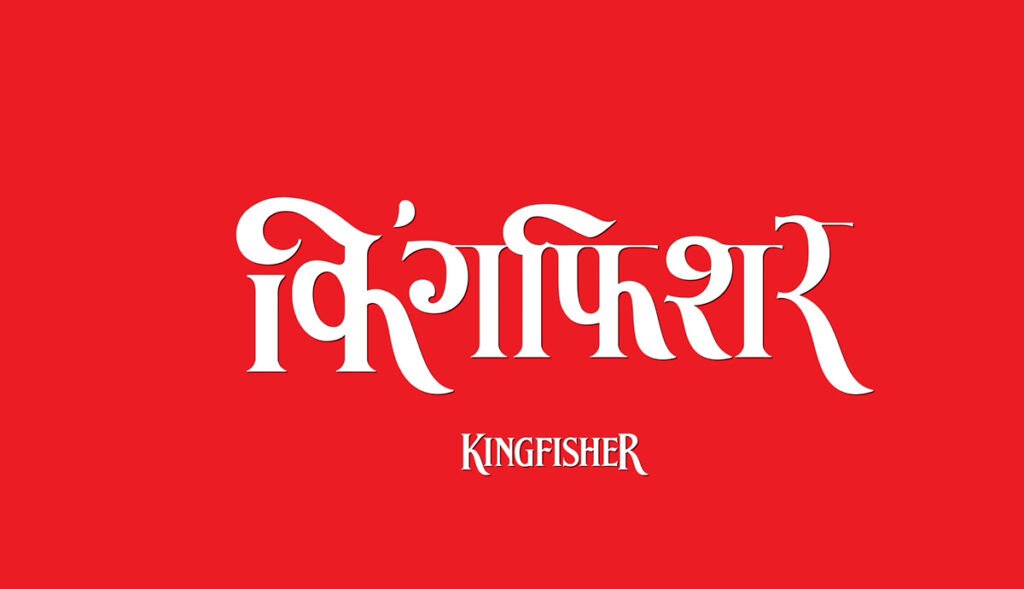
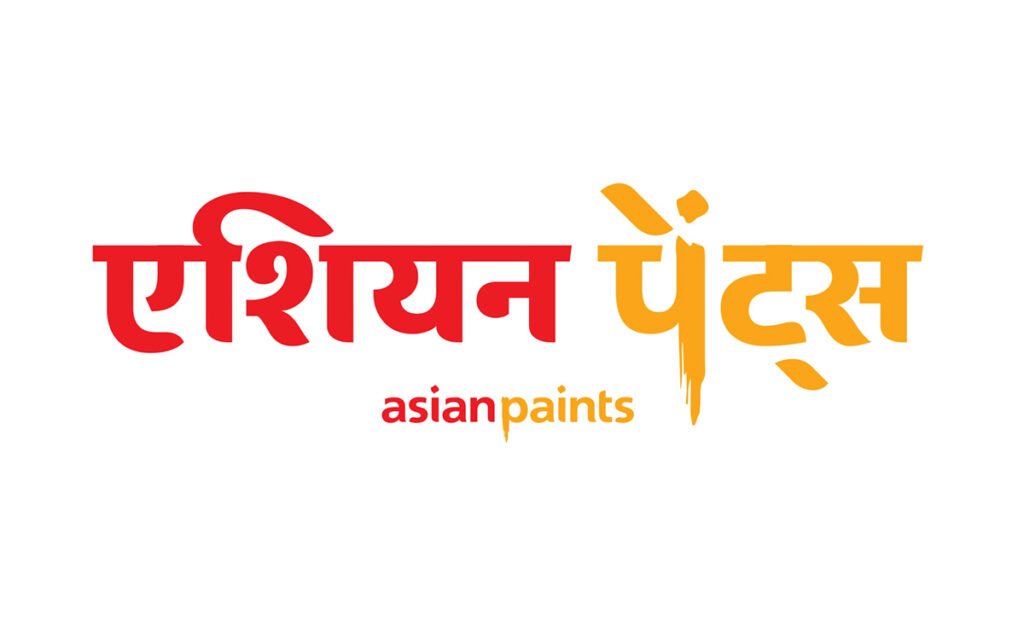
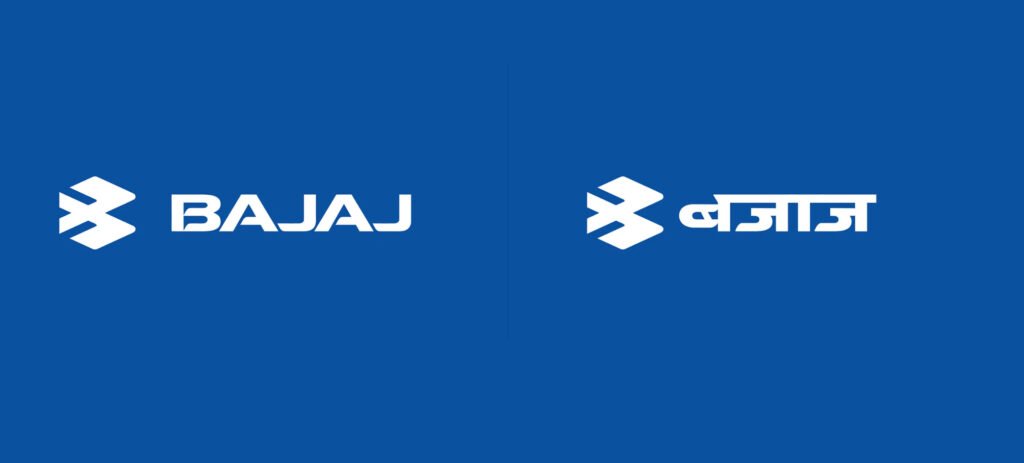
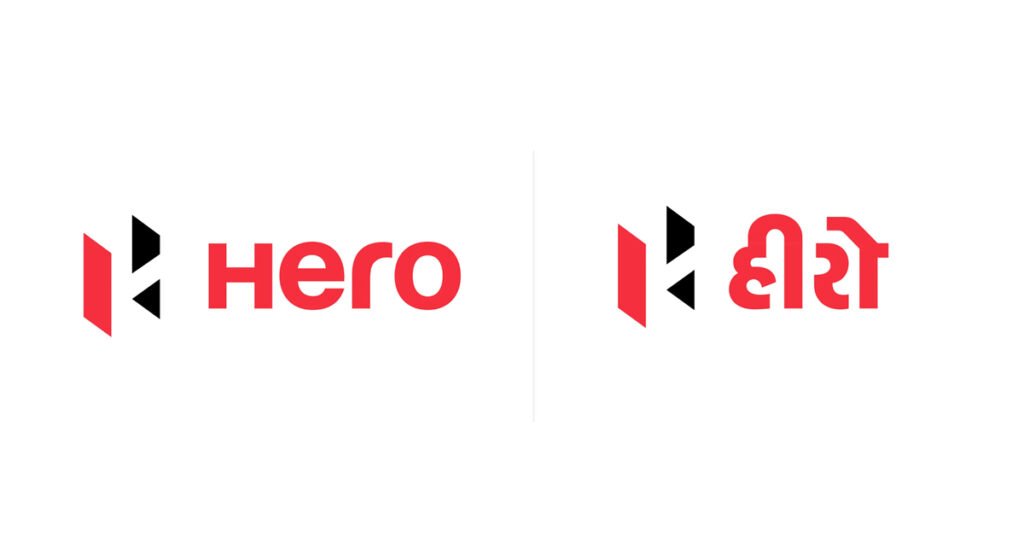
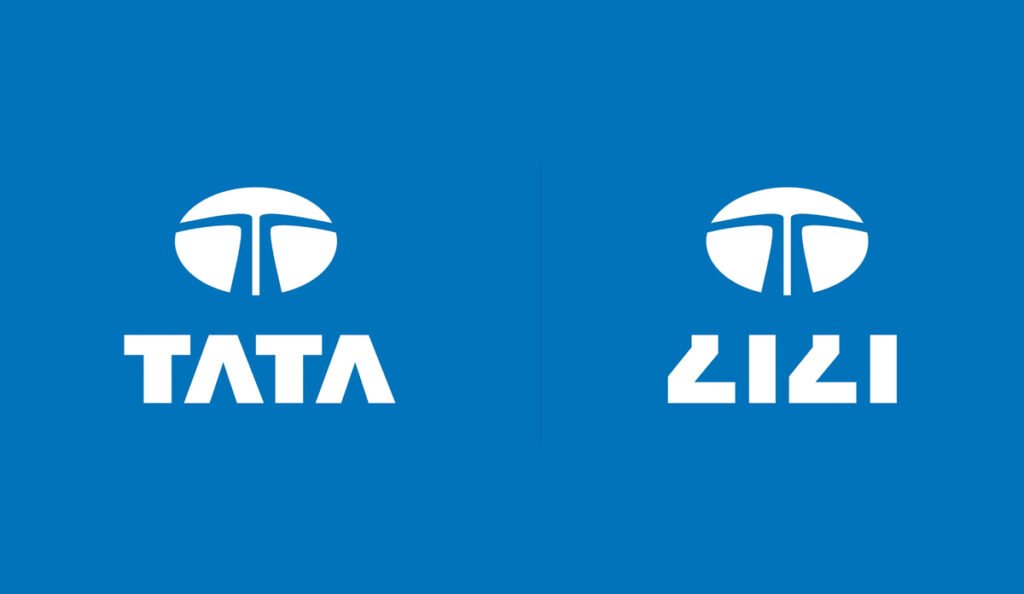
Credit: Jaikishan Patel / Behance Project
These are conceptual adaptations, not necessarily official brand identities. However, they offer useful inspiration for understanding how letterforms, proportions, and visual balance influence a logo.
The key is to select a typeface that suits the brand rather than choosing a font simply because it looks attractive.
Best Free Hindi Font Pairings for Logos
The following combinations are starting points for branding projects. All five Devanagari fonts are available as free, open-source typefaces. You can explore them through Google Fonts and the Ek Type website.
1. Noto Sans Devanagari + Inter
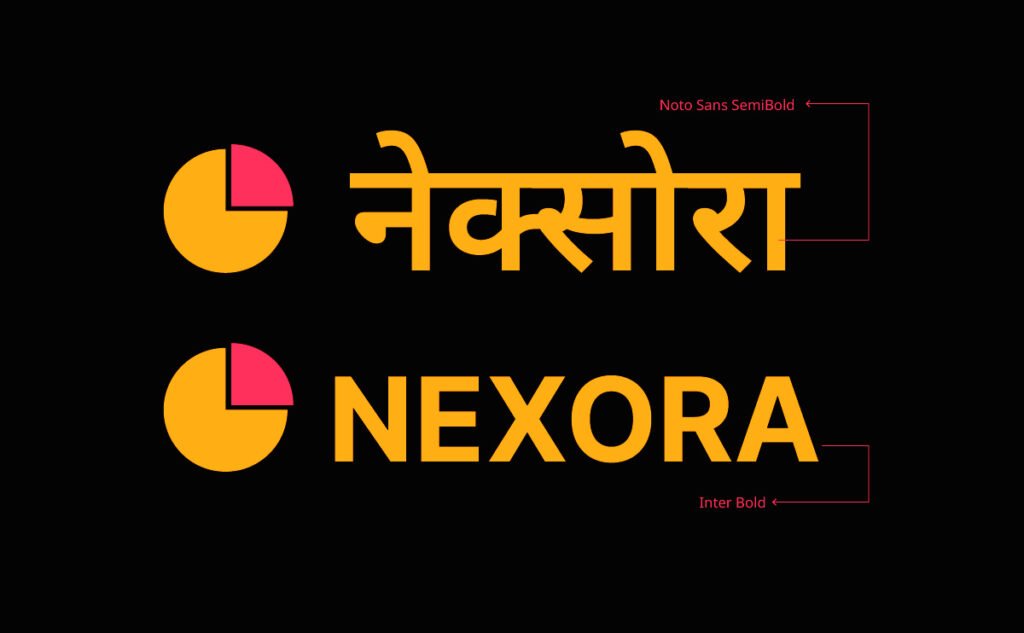
Best for: Technology, fintech, education, and startups.
Noto Sans Devanagari offers a straightforward, functional appearance, while Inter brings a clean, contemporary feel to English lettering. Together, they can create a balanced identity for brands that value clarity and simplicity.
Try this combination for a bilingual wordmark with a Hindi brand name and an English tagline.
2. Anek Devanagari + Poppins
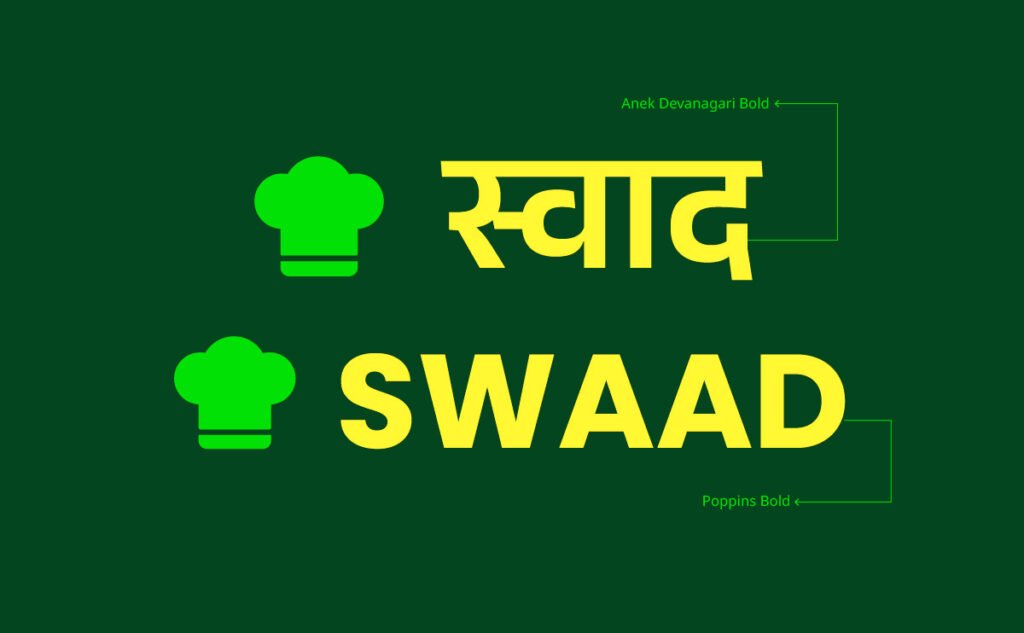
Best for: Food, lifestyle, retail, and consumer brands.
Anek Devanagari is a versatile typeface family with variable width and weight options. This flexibility makes it useful for experimenting with expressive headlines and distinctive wordmarks. Poppins provides a geometric Latin counterpart.
Use heavier weights for bold, energetic identities and lighter treatments for a more approachable appearance.
3. Hind + Manrope
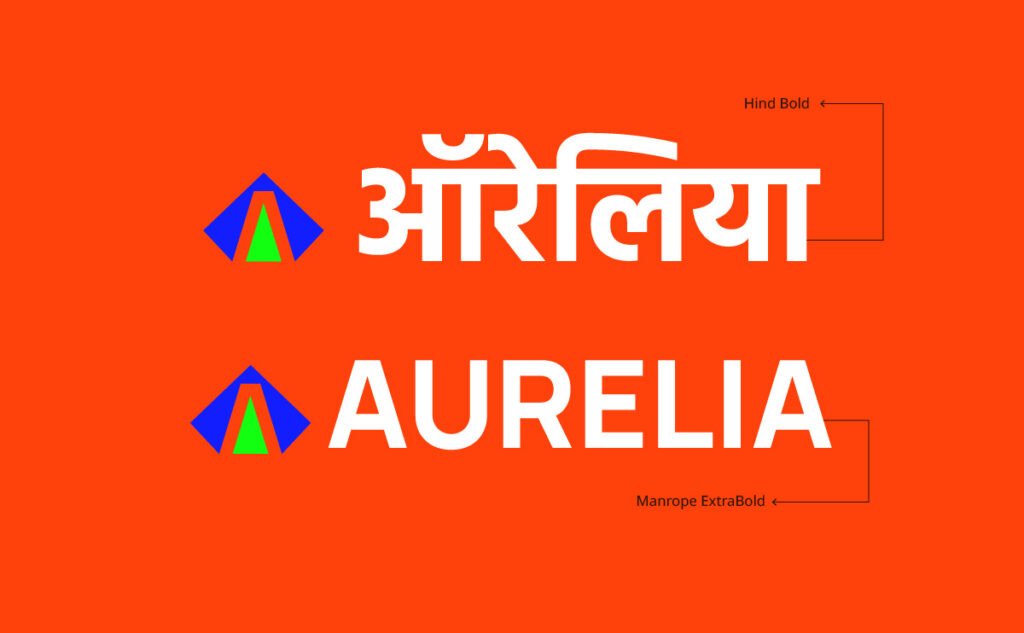
Best for: Professional services, healthcare, and corporate branding.
Hind has a practical, clean design that works well when readability is important. Manrope complements it with a modern Latin style.
This pairing is a good starting point for businesses that want a professional identity without making the typography feel overly decorative.
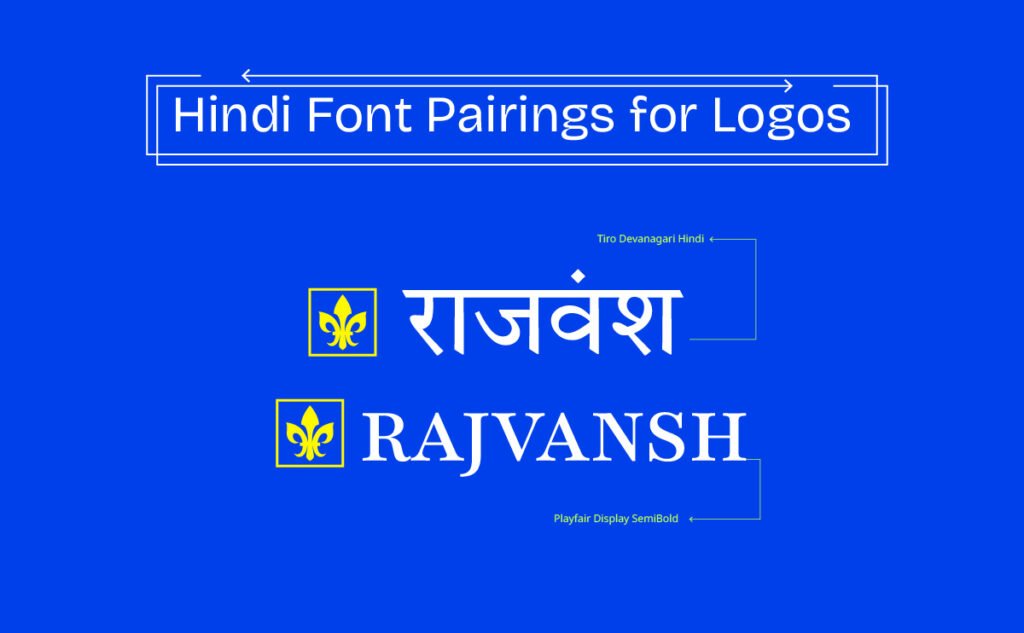
4. Tiro Devanagari Hindi + Playfair Display SemiBold
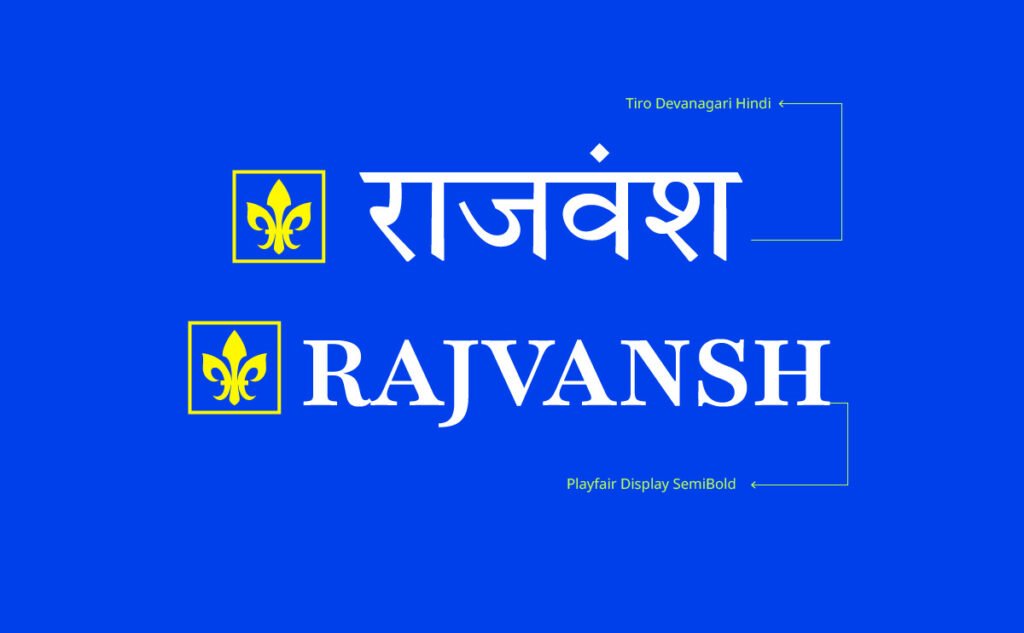
Best for: Luxury brands, jewellery, fashion, publishing, and premium food products.
Tiro Devanagari Hindi brings a traditional, literary character to Hindi lettering, while Playfair Display SemiBold adds elegance and sophistication to English typography. Together, they create a refined visual identity that balances Indian typographic heritage with a contemporary editorial style.
This pairing works particularly well for brands that want to communicate craftsmanship, culture, and quality. Use it for elegant wordmarks, boutique identities, editorial projects, and premium product packaging.
Design tip: Keep the Hindi and English lettering visually balanced, paying close attention to stroke weight, spacing, and readability at smaller sizes. Tiro Devanagari Hindi and Playfair Display are available as free fonts, so check their current licences before use in client projects.
5. Teko + Orbitron
Best for: Gaming, technology, esports, and futuristic brands.
Teko brings a bold, condensed look to Devanagari typography, making Hindi wordmarks feel strong and impactful. Orbitron complements it with a geometric, futuristic style that gives English lettering a distinct sci-fi character.
Together, these fonts create a high-impact visual identity suited to gaming brands, tech startups, and digital projects that want a modern, futuristic edge.
Design tip: Use Teko Bold for the Hindi wordmark and Orbitron Bold for the English name. Adjust the letter spacing and visual weight carefully so both scripts feel balanced without losing readability.
Loved This?
Check Out These Related Reads
- 55 Best Hindi Fonts for Creatives, Curated Free and Premium Fonts for Indian Designers
- 25 Bold Fonts to Make Your Designs Stand Out – Free & Premium
- Top 40 Free Typography Fonts Every Designer Should Know
- Best Blogs for YouTubers, Vloggers, Influencers & Content Creators in 2025
- The Psychology of Fonts: How Typography Shapes Brand Perception
Premium Hindi Fonts and Custom Typography
Free fonts are excellent for many projects, but some brands need a more distinctive visual identity, additional stylistic options, or a typeface tailored to their requirements.
Here are two approaches worth exploring.
1. Licensed Devanagari Display Fonts
Ek Type offers both free and licensed typefaces. Its licensed Vilom typeface explores an experimental Devanagari display style, making it an interesting option for expressive, art-led branding.
You could test a distinctive Devanagari display font alongside a restrained Latin serif or sans-serif. The contrast can help the Hindi wordmark stand out while keeping supporting English text readable.
This approach may suit cultural projects, editorial identities, independent fashion labels, and selected premium products.
2. Custom Typography from Indian Type Foundries
For a more distinctive result, explore Indian Type Foundry and Ek Type.
Indian type foundries offer different typeface collections and, depending on the provider, bespoke typography or custom font services.
A custom wordmark can give a brand greater control over letter shapes, spacing, proportions, and distinctive visual details. It is particularly worth considering when the logo will be used across packaging, signage, digital platforms, and advertising.
Before purchasing a font, confirm the licence covers your intended branding use. Also check whether the licence permits any required modifications or use by your client and their design team.
Practical Tips for Designing Hindi Logos
Choosing the right font is only the beginning. These design principles can help you create a more effective Devanagari logo.
1. Test the logo at different sizes.
A wordmark that looks beautiful on a large presentation board may lose clarity on a business card, website header, or app icon. Check the smallest intended size before approval.
2. Pay attention to conjuncts and matras.
Devanagari contains combined consonants, vowel signs, and other details that can become crowded in compact lettering. Inspect words carefully and adjust the design where necessary.
3. Match visual weight, not just font size.
Hindi and English typefaces may have different proportions even at the same point size. Compare their apparent height, stroke thickness, density, and overall presence.
4. Design for bilingual use.
Consider stacked layouts, side-by-side wordmarks, or a Hindi primary logo with a smaller English descriptor. Choose the arrangement based on the brand name, intended audience, and available space.
5. Know when to customise the lettering.
A standard font can be an excellent starting point. For a distinctive identity, however, carefully refined letterforms and spacing may produce a stronger result. If modifying a font file itself, first check the applicable licence.
6. Check commercial usage rights.
Open-source fonts such as Anek Devanagari and Mukta are released under the SIL Open Font License. Always review the applicable licence, especially when working with paid fonts, custom lettering, or font files that need to be shared with clients.
Final Thoughts
The best Hindi font pairing for a logo is one that reflects the brand’s personality, communicates clearly, and works consistently across different applications.
For a clean, modern identity, start with Noto Sans Devanagari and Inter. For a more expressive direction, experiment with Anek Devanagari and Poppins. If the project requires a more distinctive visual identity, explore licensed display fonts or commission custom Devanagari lettering.
Most importantly, do not judge a pairing by the font names alone. Create a few wordmark concepts, compare the Hindi and English letterforms, test different sizes, and refine the spacing.
With thoughtful typography and careful execution, Devanagari can become much more than a way to write a brand name in Hindi. It can be an essential part of the brand’s visual identity.
Share
Frequently Asked Questions (FAQs)
Which Hindi fonts are best for logo design?
Some excellent Hindi fonts for logo design include Noto Sans Devanagari, Anek Devanagari, Hind, Mukta, Tiro Devanagari Hindi, and Baloo 2. The best choice depends on the brand’s personality, target audience, and design requirements.
Which English fonts pair well with Hindi fonts?
Popular combinations include Noto Sans Devanagari with Inter, Anek Devanagari with Poppins, Hind with Manrope, Mukta with Outfit, and Tiro Devanagari Hindi with Playfair Display. Test the actual letterforms together to ensure visual balance and readability.
Can I use Hindi fonts to create a professional logo?
Absolutely. Devanagari fonts can be used for primary wordmarks, bilingual logos, packaging, signage, and digital branding. The key is to choose a typeface that reflects the brand’s personality and remains legible at different sizes.
Which Hindi font is best for luxury branding?
Tiro Devanagari Hindi is worth exploring for elegant, literary-inspired branding. Pairing it with Playfair Display can create a refined visual style suitable for jewellery, fashion, boutique businesses, and premium product packaging.
Can I use the same font for Hindi and English in a logo?
You can use a typeface family that supports both Devanagari and Latin scripts, provided the required characters and styles are available. Alternatively, pair separate Hindi and English fonts, matching their visual weight, proportions, and spacing.