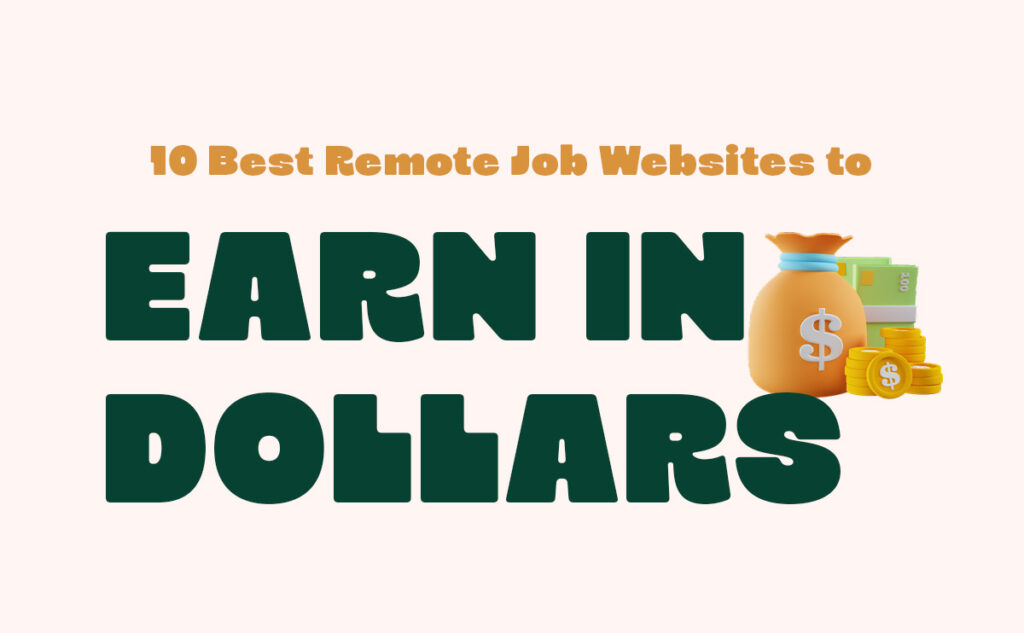
The workplace has been transformed. A designer in India can now shape products for a San Francisco start-up. A writer in Nigeria can craft campaigns for a London agency. A developer in Brazil can ship code for an Australian tech company—all without stepping outside their front door. This is exactly why 10 Best Remote Job Websites to Earn in Dollars has become essential reading for anyone ready to turn skills into global income.
For creatives, marketers, developers, and freelancers, remote work has dismantled geographic barriers and unlocked access to international salaries. Companies are no longer just allowing remote work; they’re actively recruiting global talent and paying in hard currency.
If you’re ready to build a borderless career or supplement your income with dollar-earning remote work, here are ten legitimate platforms worth your time.
What Are the Best Remote Job Websites to Earn in Dollars?
1. FlexJobs
FlexJobs stands out for its rigorous quality control. Every listing is hand-screened, which dramatically cuts down on scams and dead-end opportunities.
Best for: Designers, writers, marketers, virtual assistants, developers
Pros: Verified listings, flexible arrangements, robust company database
Cons: Requires a paid subscription
2. Wellfound
Formerly AngelList Talent, Wellfound is the go-to hub for startup-minded professionals. If you thrive in fast-moving environments and want equity-level upside, start here.
Best for: Product designers, UI/UX designers, developers, startup enthusiasts
Pros: Direct founder access, transparent salary data, remote-first startup culture
Cons: Heavily startup-centric; limited mature corporate roles
3. Remotive
A curated remote job board with a clean interface and an active professional community. Positions span multiple industries and geographies.
Best for: Remote professionals, tech workers, marketing specialists
Pros: Intuitive design, quality-over-quantity listings, engaged community
Cons: High competition for desirable roles
4. Working Nomads
Working Nomads aggregates remote opportunities from across the web and organizes them into clear, browsable categories.
Best for: Developers, designers, marketing professionals
Pros: Hand-picked listings, smart filtering, frequent refreshes
Cons: Skews heavily toward tech; fewer non-technical roles
5. 4 Day Week
This platform targets a specific niche: high-quality employers offering compressed workweeks. Competitive pay with fewer days on the clock.
Best for: Experienced professionals, tech workers, product teams
Pros: Superior work-life balance, vetted employers, remote-friendly by default
Cons: Smaller overall volume of listings
6. Remote OK
One of the largest remote job boards globally, used by household-name companies to source international talent.
Best for: Developers, designers, product managers, digital marketers
Pros: Massive database, worldwide reach, salary-based filtering
Cons: High applicant volume for popular postings
7. JustRemote
JustRemote specializes in surfacing opportunities that don’t appear on mainstream boards—often referred to as “hidden” remote jobs.
Best for: Customer support professionals, marketing specialists, developers
Pros: Unique listings, global scope, straightforward navigation
Cons: Some features locked behind premium tiers
8. We Work Remotely
A pioneer in the remote work space, this platform attracts reputable employers from every continent and updates listings daily.
Best for: Designers, developers, customer support teams, marketing professionals
Pros: Large international audience, trusted employers, consistent new postings
Cons: High competition; standout applications are essential
9. Toptal
Toptal brands itself as an elite network, connecting thoroughly vetted freelancers with premium clients. The barrier to entry is high, but so is the earning potential.
Best for: Experienced designers, developers, finance experts, project managers
Pros: Premium project rates, Fortune 500 clients, strong industry reputation
Cons: Rigorous multi-stage screening process
10. Upwork
The largest freelance marketplace on the planet. Intense competition exists, but so do full-time career paths—many professionals have built six-figure businesses here.
Best for: Freelancers, designers, writers, video editors, developers
Pros: Enormous client pool, project variety, long-term contract potential
Cons: Global competition can drive down rates for entry-level work
High-Demand Skills for Remote Jobs That Pay in Dollars
Landing a remote role is only half the battle. The professionals who consistently earn well have invested in skills that companies actively budget for.
High-demand capabilities right now include:
- UI/UX Design — wireframing, prototyping, user research
- Branding & Visual Identity — logo design, brand systems
- Graphic Design — marketing materials, social media assets
- Motion Graphics — animated explainer videos, Lottie animations
- Video Editing — Premiere Pro, DaVinci Resolve, Final Cut
- Copywriting — sales pages, email sequences, ad copy
- SEO — technical SEO, content strategy, link building
- Web Development — React, Node.js, full-stack engineering
- Digital Marketing — paid ads, analytics, funnel optimization
- AI-Assisted Content Creation — prompt engineering, AI workflows
How to Get Hired for Remote Work in 2026
Before you start firing off applications, get your foundation right:
- Build a professional portfolio that proves you can deliver, not just that you know how
- Optimize your LinkedIn profile so recruiters find you before you find them
- Create a strong resume that speaks to outcomes, not just responsibilities
- Write personalized applications—generic cover letters get ignored
- Showcase real projects and case studies that show process and impact
- Improve communication skills; remote work runs on clarity
Here’s the reality: international employers often care more about what you’ve built than where you studied.
Final Thoughts: Start Your Remote Career Today
Remote work has turned talent into a global currency. Whether you design, code, write, market, or consult, these platforms can connect you with companies that pay in dollars while you work from your living room.
Don’t try to master all ten at once. Pick two platforms that match your skill set, build a portfolio that sells your value, and apply with consistency. The right role is usually closer than it feels.
Loved This?
Explore More Design Insights
- Top Platforms to Kickstart Your Earning Journey as a Creator or Freelancer
- How to Land High-Paying Design Clients from India (2025)
- Designer Community Insights 2025: Trends, Challenges, and Opportunities
- Designer Community Insights: 6 Polls That Reveal the Truth
- Design Inspiration Tips: How to Stay Creative Without Copying